

Is our destiny predetermined?

The whole idea of fate has inspired novels, poems, songs, symphonies, and many a legend over the years, and you often hear people in ordinary, everyday life say: "It must be fate." I, for one, believe there's got to be something out there, some grand scheme of destiny, and this idea is at the heart of all three of my novels.
Here are two of my favourite quotes on the subject:
“There’s nowhere you can be that isn’t where you’re meant to be.”
John Lennon
“You often meet your fate on the road you take to avoid it.”
Goldie Hawn

And here are comments my own characters passed on to me:
“Destiny can be diverted, but it can never be cheated.” (Osman, an elderly Egyptian mystic in The Way Things Fall)
“You can’t keep knocking on the door of destiny, asking what it has in mind… stay quiet … everything will eventually become clear.” (The mother of Dominic, one of the central characters in In Love with the Night).

“No one is ever lost. They are just on their way somewhere else.” (Lukas, a nine year old boy in A Long Walk With Fate)
What they knew about life, and fate

An advanced understanding of the cosmos and the movement of the planets was embedded in Ancient Egyptian rituals and beliefs. Very significant to them was the concept of Ma’at, representing order, justice, truth, and balance. They believed this was essential for maintaining harmony, not just in their society but in the entire universe.
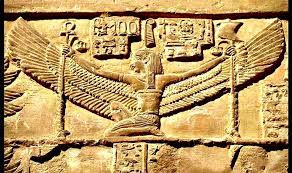
Isfet was the opposite of Ma’at, representing chaos, injustice and violence.
The Ancient Egyptians believed in fate but felt that respecting the hidden powers of the cosmos, following your intended path, and living by the tenets of Ma’at, would influence your destiny and afterlife.
All three novels reflect these beliefs of the Ancient Egyptians. A Long Walk With Fate is rooted in the warring concepts of Ma’at and Isfet, and how forgiveness is critical to moving forward.